Dump and Bake Meatball Casserole
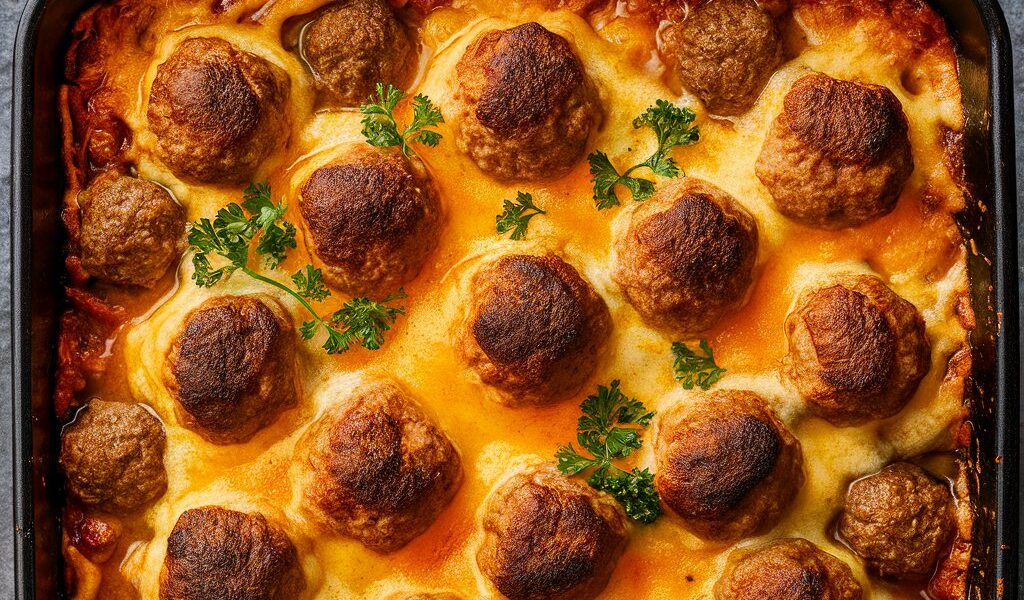
Few recipes embody the meaning of comfort food better than a piping-hot casserole filled with pasta, savory meatballs, rich marinara sauce, and gooey cheese. The dump and bake meatball casserole is a modern family favorite because it takes minimal effort, requires almost no hands-on cooking, and rewards you with a dish that looks and tastes like you spent hours in the kitchen.
This article dives deep into everything you need to know about this dish—from its origins and ingredient breakdown to detailed cooking instructions, storage methods, nutritional tips, and variations to suit any taste or diet. Whether you’re a busy parent, a beginner cook, or simply a lover of hearty meals, this recipe will quickly become a staple at your table.
Why Choose a Dump and Bake Casserole?

Casseroles have always held a special place in home kitchens. They’re warm, filling, and versatile, often bringing families together around the dinner table. But the “dump and bake” approach elevates this convenience to a whole new level:
- No precooking required: Pasta goes in dry, meatballs go in frozen, and the oven does the magic.
- Fewer dishes to clean: One baking dish is all you need—no boiling pots or frying pans necessary.
- Perfect for beginners: Even if you’ve never cooked before, this recipe is practically foolproof.
- Customizable: Swap proteins, sauces, or cheeses to create a new version each time.
In short, the dump and bake meatball casserole is a lifesaver on busy weeknights and a guaranteed crowd-pleaser for family dinners.
A Quick Look at the History of Casseroles
Before diving into the recipe, it’s worth noting where casseroles come from. The term “casserole” originates from the French word cassa, meaning pan. The concept gained popularity in the United States in the 20th century, especially in the 1950s when convenience cooking became mainstream.
The dump-and-bake method is a more recent innovation, born out of busy modern lifestyles. It reflects the trend toward one-pan, time-saving meals that still deliver homemade quality. The meatball casserole, with its Italian-American roots, is a natural fit for this approach.
Ingredient Breakdown
Every great recipe starts with carefully chosen ingredients. For the dump and bake meatball casserole, simplicity is key. Here’s a closer look at what makes this dish shine:
1. Meatballs
- Frozen, fully cooked meatballs are the star of the show. They eliminate the hassle of prepping and frying from scratch.
- Options: beef for richness, turkey for a leaner option, or plant-based for vegetarians.
- Tip: If you prefer homemade, prepare meatballs in advance, freeze them, and use them directly in this casserole.
2. Pasta
- Uncooked penne pasta is the classic choice. Its tubular shape holds sauce beautifully.
- Substitutes: rigatoni, ziti, rotini, or even shells. Avoid delicate pastas like angel hair, which may overcook.
- Why uncooked? Because it absorbs the sauce and water while baking, locking in flavor.
3. Marinara Sauce
- Provides the bold tomato base. A high-quality jarred sauce works, but a homemade version elevates it further.
- Variations: Alfredo for creaminess, pesto for freshness, or a spicy arrabbiata for heat.
4. Cheese
- Mozzarella delivers melty, stretchy goodness.
- Parmesan adds nutty, salty depth.
- Optional additions: ricotta for creaminess, gouda for smokiness, or cheddar for sharpness.
5. Seasonings & Garnish
- Italian seasoning, garlic powder, salt, and black pepper.
- Fresh parsley or basil for garnish adds color and freshness.
Equipment Needed
Keeping with the theme of simplicity, the tools are minimal:
- 9×13-inch baking dish (glass or ceramic works best).
- Aluminum foil to lock in moisture.
- Mixing spoon, spatula, and measuring cups.
Step-by-Step Instructions
Follow these easy steps for a foolproof casserole:
- Preheat Oven – Set to 425°F (220°C).
- Layer Pasta and Sauce – Combine uncooked pasta, marinara, and water directly in the baking dish. Mix well.
- Add Meatballs – Scatter frozen meatballs evenly, pressing them slightly into the sauce.
- Cover and Bake – Seal tightly with foil. Bake for 35 minutes to allow pasta to absorb liquid.
- Add Cheese – Remove foil, stir gently, then top with mozzarella and Parmesan. Bake uncovered for 10 minutes.
- Optional Broil – For a golden crust, broil 2–3 minutes. Watch carefully.
- Rest and Garnish – Let sit 5 minutes before serving. Top with parsley or basil.
Tips for Success

- Balance liquids: Pasta must be fully submerged in liquid before baking.
- Seal tightly: Prevent steam from escaping during the first bake.
- Check doneness: Pasta should be al dente after 35 minutes; adjust if needed.
- Layer cheese last: Adding cheese too early may cause it to dry out.
- Rest before serving: This helps the casserole set and makes it easier to serve neat slices.
Nutritional Information (Per Serving, Approx.)
- Calories: 420
- Protein: 24g
- Carbohydrates: 38g
- Fat: 18g
- Fiber: 4g
- Calcium: 200mg
This makes it a balanced meal that’s satisfying yet not overly heavy.
Recipe Variations
One of the best things about this casserole is its adaptability:
Protein Swaps
- Italian sausage slices instead of meatballs.
- Shredded rotisserie chicken for convenience.
- Plant-based meatballs or roasted mushrooms for vegetarian.
Sauce Options
- Alfredo for creamy richness.
- Pesto for fresh, herby flavor.
- Spicy marinara with red pepper flakes for heat.
Cheese Twists
- Ricotta layered between pasta for a lasagna-like texture.
- Gouda or provolone for smoky notes.
- Blue cheese crumbles for bold flavor.
Veggie Boost
- Add spinach, zucchini, or bell peppers.
- Stir in frozen peas or broccoli for extra nutrition.
Serving Suggestions
To round out the meal, try these pairings:
- Garlic Bread: Classic crunchy companion.
- Fresh Salad: Caesar or mixed greens with vinaigrette.
- Wine Pairing: Medium-bodied reds like Chianti or Merlot.
- Non-Alcoholic Option: Sparkling water with lemon.
- Dessert: Light finish with tiramisu, panna cotta, or fresh fruit.
Storage and Reheating
- Refrigerator: Store leftovers in an airtight container for up to 4 days.
- Freezer: Freeze portions for up to 2 months. Thaw overnight in the fridge before reheating.
- Reheating: Warm in oven at 350°F (175°C) for 20 minutes or microwave in 1-minute intervals until heated through.
Common Mistakes and Fixes
- Watery Sauce: Reduce added water slightly next time or bake uncovered for a few extra minutes.
- Undercooked Pasta: Add ¼ cup more water and bake covered for 5 extra minutes.
- Dry Meatballs: Make sure they’re submerged halfway in sauce before baking.
- Burnt Cheese: Keep a close eye during broiling.
FAQs

Q1: Can I make this ahead of time?
Yes, assemble the dish, cover tightly, and refrigerate for up to 24 hours before baking. Add 5–10 minutes to baking time.
Q2: Can I use fresh meatballs instead of frozen?
Yes, but make sure they’re pre-cooked to avoid undercooking.
Q3: What’s the best pasta for this recipe?
Sturdy shapes like penne, rigatoni, or rotini. Avoid thin pasta like spaghetti.
Q4: Can I make it gluten-free?
Yes, simply use gluten-free pasta and breadcrumbs in your meatballs.
Q5: How do I prevent the pasta from becoming mushy?
Stick to the recommended baking times and avoid adding excess liquid.
Q6: Is this casserole kid-friendly?
Absolutely—kids love the cheesy, saucy flavor. You can also sneak in veggies like spinach or peas.
Final Thoughts
The dump and bake meatball casserole is proof that a meal doesn’t need to be complicated to be delicious. With minimal prep, everyday ingredients, and countless ways to customize, it’s the kind of recipe you’ll return to again and again. Perfect for weeknight dinners, potlucks, or cozy weekends at home, this dish delivers comfort and flavor in every bite.